Where to Donate Items After You Declutter
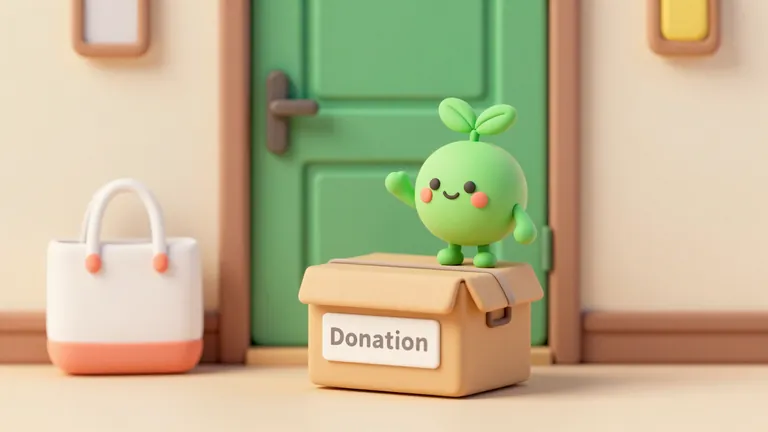
Once you’ve decided to let something go, choose its next step: donate, sell, recycle, or dispose of it. Here’s how to get things the rest of the way out of the house.
Where can I donate items?
Most areas have more donation options than it first seems:
- Local charities and thrift stores. Many accept clothing, housewares, furniture, and books, often with a drop-off window a few days a week.
- Donation bins. Common for clothing and textiles, usually in shopping center parking lots.
- Shelters and community centers. Often need specific items like coats, blankets, or children’s supplies, and appreciate a call ahead.
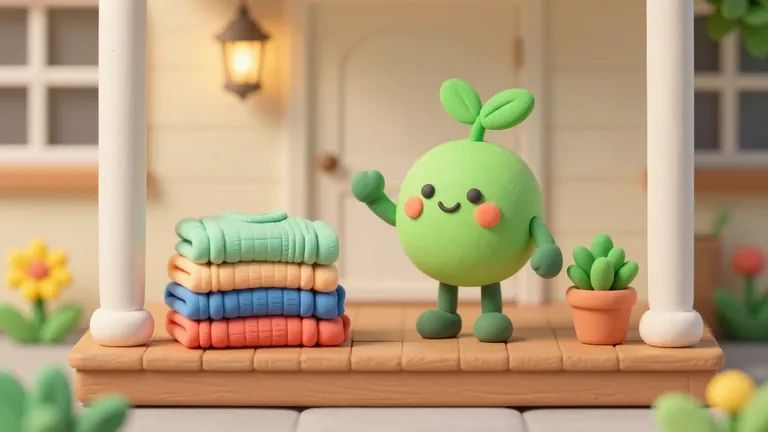
- Pickup services. Some charities will collect larger items like furniture from your porch or curb on a scheduled day.
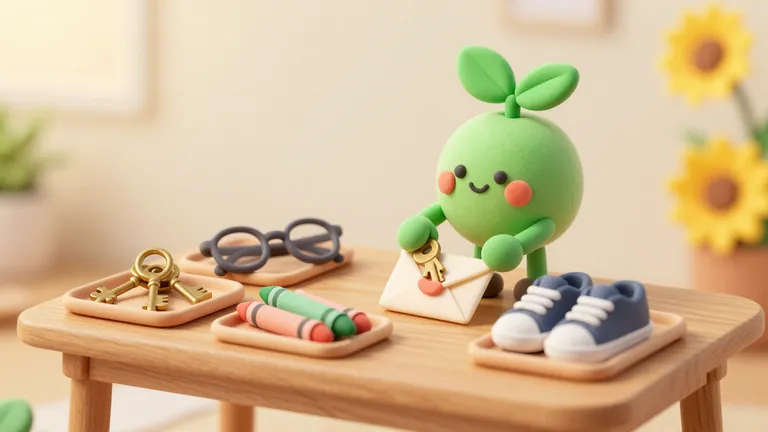
For things a thrift store won’t take, like old keys, glasses, broken crayons or worn-out sneakers, see Where to Donate Hard-to-Place Items.
A donation bag that sits in a hallway for weeks is a common, ordinary thing to have happen. Setting an actual day, even a small errand on the way to somewhere you’re already going, is what turns "I’ll drop this off sometime" into "it’s out." How to Give Things Away has more ways to clear a pile that’s been waiting, including giving to neighbors.
How do I sell things without it taking over?
Selling can be a good option for items with real value, but it can also stall a session out for months if it doesn’t have a boundary around it. A simple structure helps:
- Give the item a deadline, 30 days is a reasonable default.
- Pick one platform (a marketplace app, a local buy-and-sell group, or wherever you already sell) and list it there.
- If it hasn’t sold by the deadline, decide again: donate it, give it a little more time, or keep it listed on purpose.
An item is gone once it’s shipped or handed over to a buyer, not the moment it’s listed.
What about recycling and trash?
Recycling and trash are often the fastest exits, and they don’t need to feel like an afterthought. A few things that help:
- Check what your local program actually accepts before assuming an item can be recycled; some materials need a special drop-off (electronics, batteries, some plastics).
- Group recycling items together so a single trip to a bin or drop-off point clears several at once.
- For items accepted in your household trash, plan around your regular pickup day.
Why doesn’t "in the bag" count as done?
Putting an item in a donation bag, a sell pile, or a trash bin is a real decision, and it deserves credit as one. But the item is still in the house. It can still get moved, second-guessed, or forgotten in a closet for months.
"Out the door" is a different milestone: the bag was dropped off, the sale shipped, the trash truck came. That’s the point where an item actually stops taking up space and attention, and it’s worth tracking separately from the decision itself. A lot of decluttering efforts stall exactly here, not at the deciding, but at the last step of physically getting things gone.
How do I make it out the door?
A few habits make the last step easier:
- Keep donation bags by an exit, not a closet, so leaving the house is the trigger to grab one.
- Pair a drop-off with an errand you’re already running.
- Set sale deadlines you’ll actually notice, and decide again when one arrives.
- Track a running count of items that have truly left, separate from what’s still pending.
If you haven’t decided what to do with a given item yet, Keep, Donate, Sell, or Let Go covers making that call. And if the whole idea of clearing a space still feels too big to start, A 5-Minute Declutter is a smaller way in.
How KeepKindly helps
KeepKindly’s On its way tab follows items on your Sell list, in your donation bag, and in trash and recycling until they have actually left the house. After 30 days, KeepKindly asks whether you’d like to donate a Sell list item, extend the deadline once, or leave it on your Sell list. KeepKindly is on the App Store for iPhone and iPad; see How It Works for the full picture.